
Travel gives
my curiosity somewhere
to go.
ABOUT MICHAEL (HE/HIM)
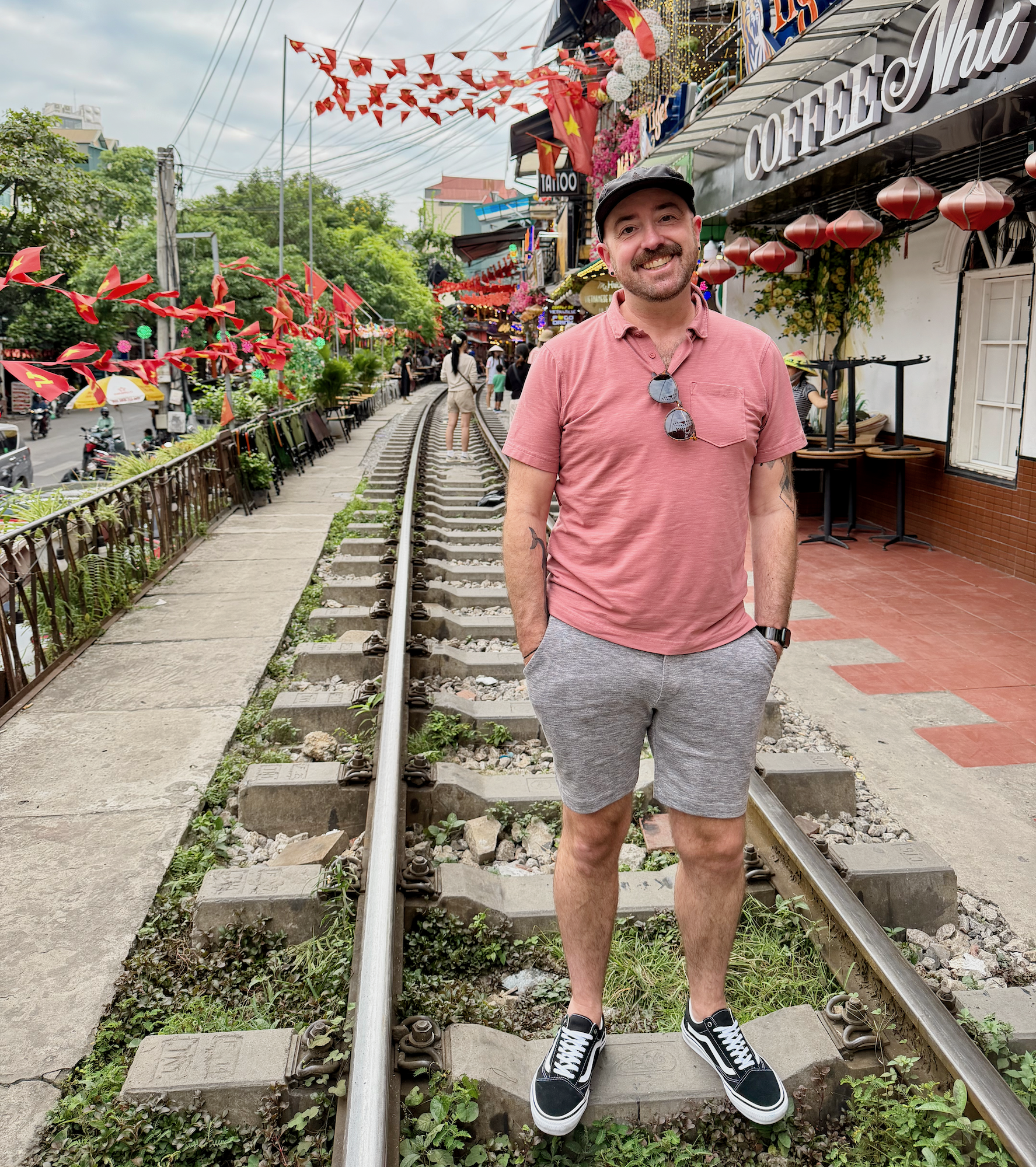
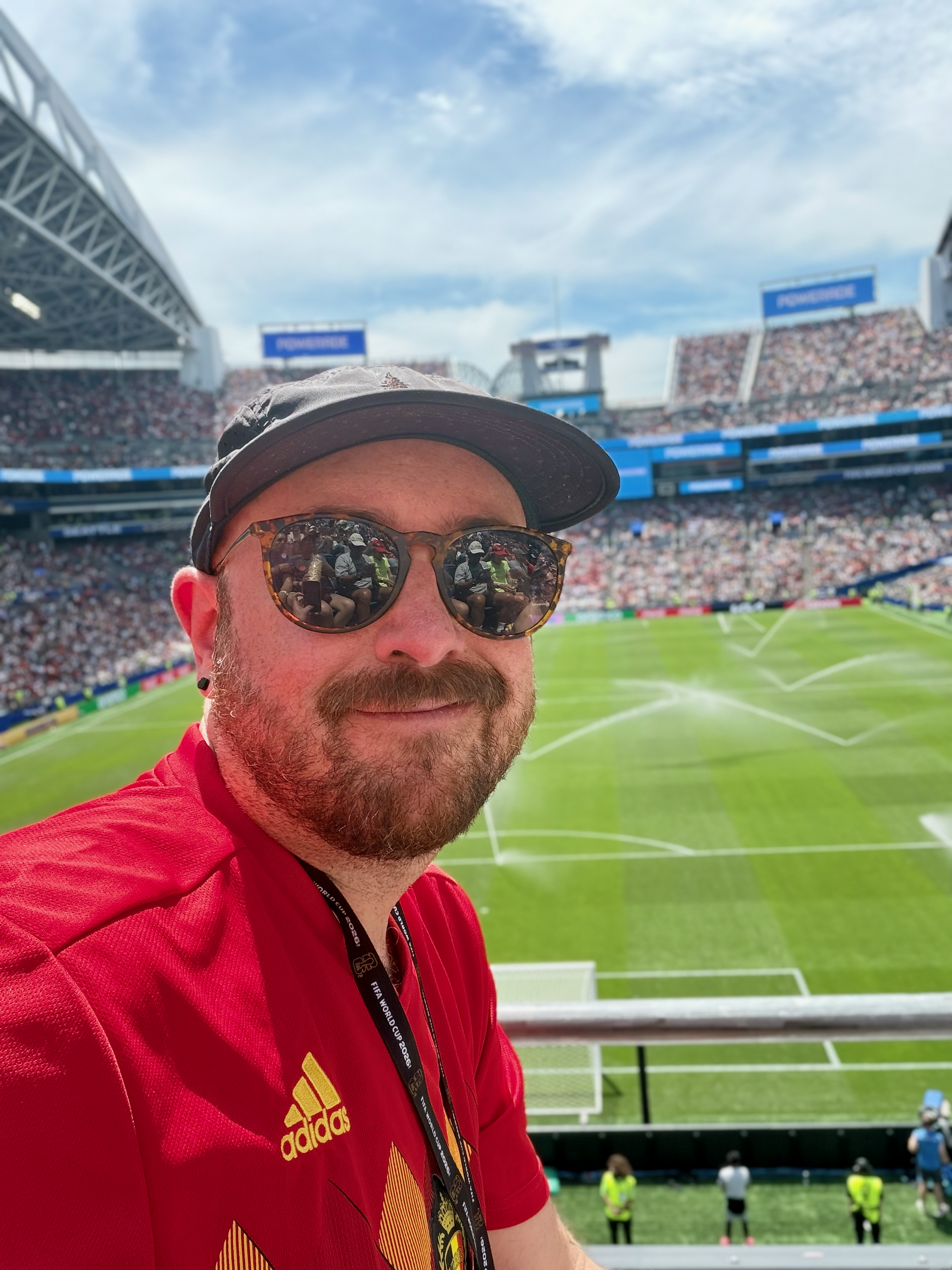
I’m a travel advisor with more than two decades of strategic communication work behind me, 50+ countries and 49 U.S. states under my belt, and a tendency to notice both the big picture and the tiny detail that illuminates it. I like good planning. I also like the part of travel that refuses to be planned.
50+
countries visited
49
US states visited
(one day Arizona)
20+
years in strategic
communication
1
argyle tattoo
(more later)
TRAVEL GOT UNDER MY SKIN EARLY
The curiosity came first.
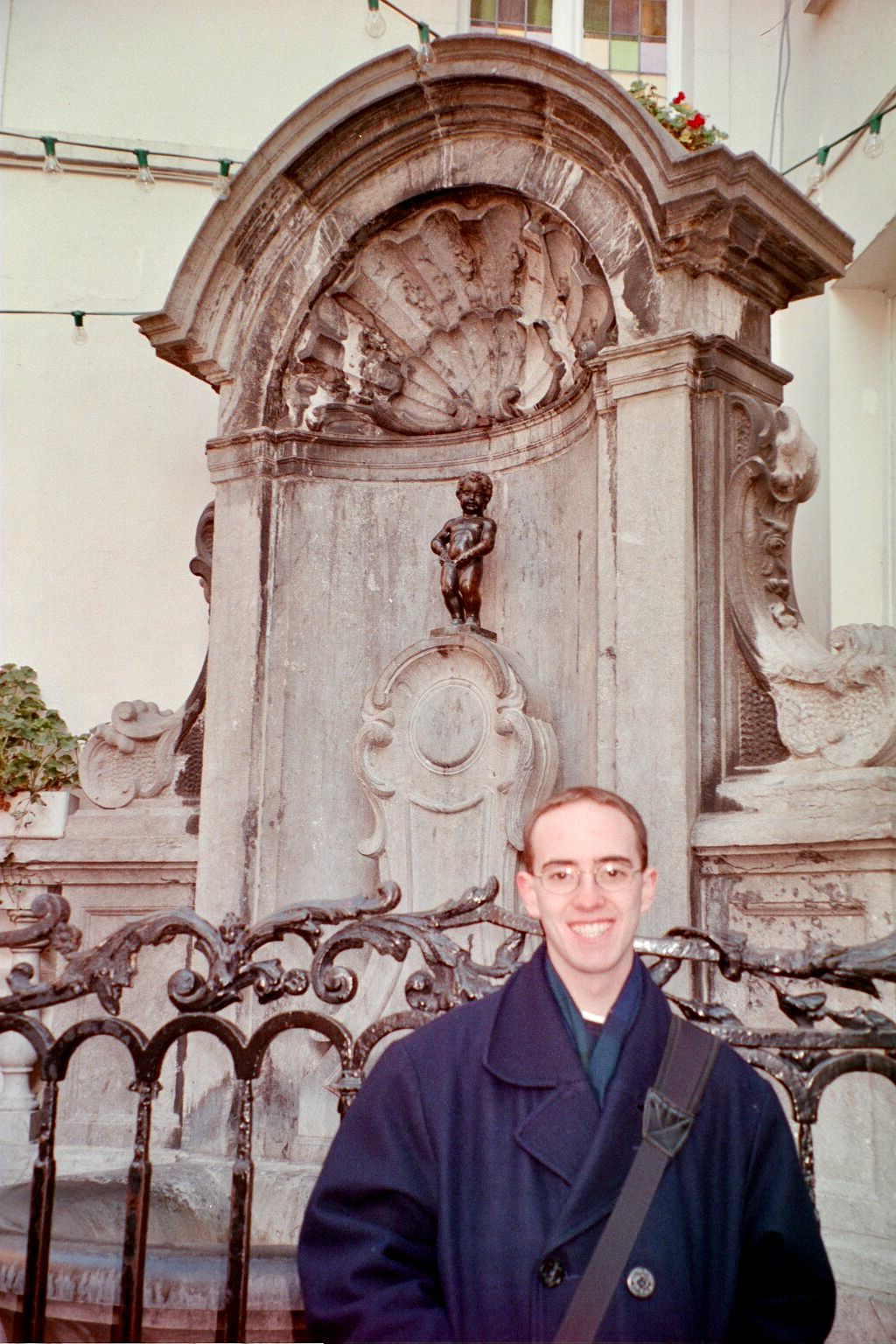
My first trip abroad was at 14, when I spent a few weeks traveling through England, Wales, Scotland, and Ireland on a student ambassador program. A semester studying in Brussels during college turbocharged the wanderlust.
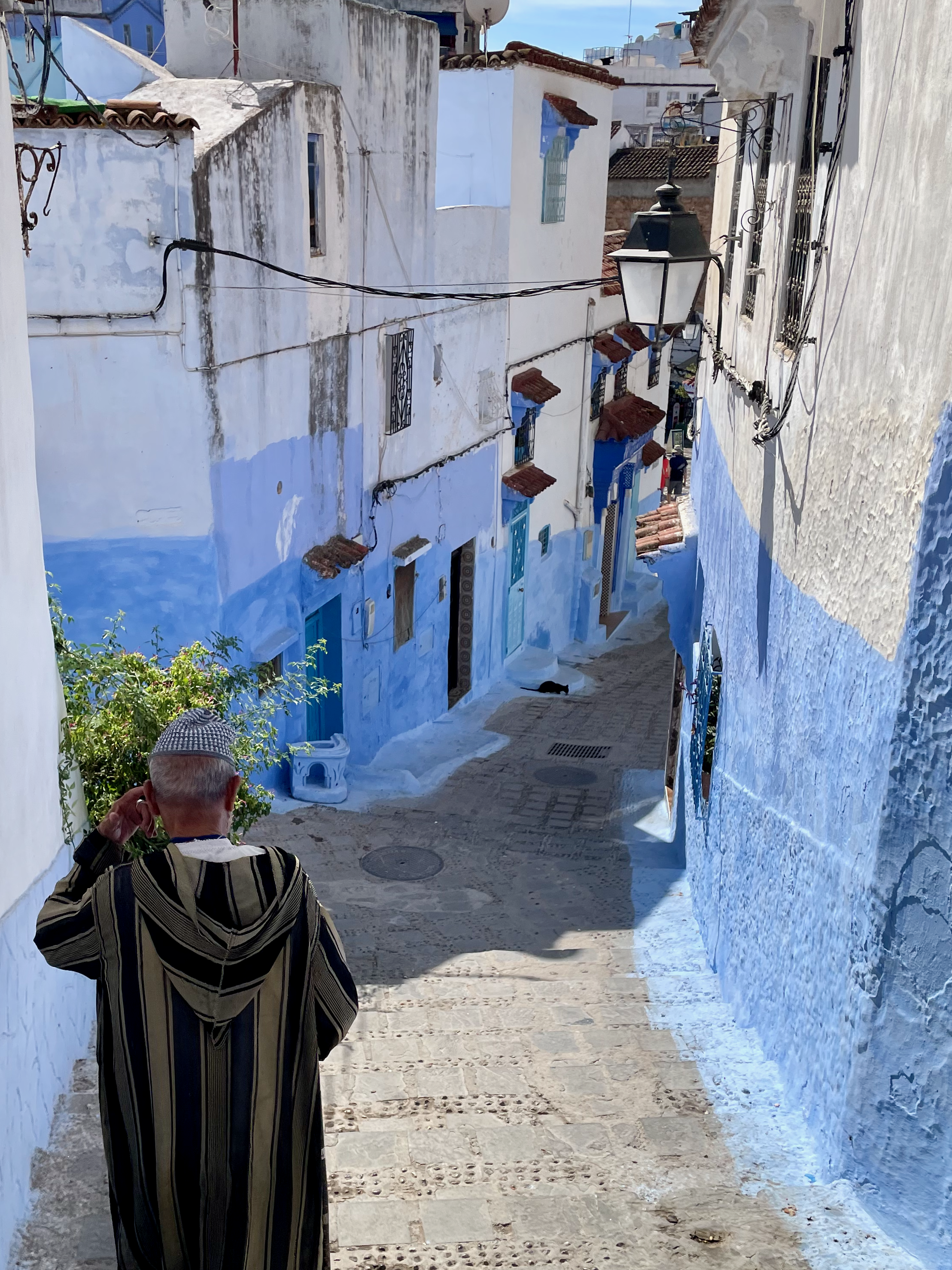
What stuck wasn’t just the urge to go more places. I liked learning how a city works, experiencing local food, seeing how people move through daily life, and noticing the small things that make somewhere feel specific rather than interchangeable.
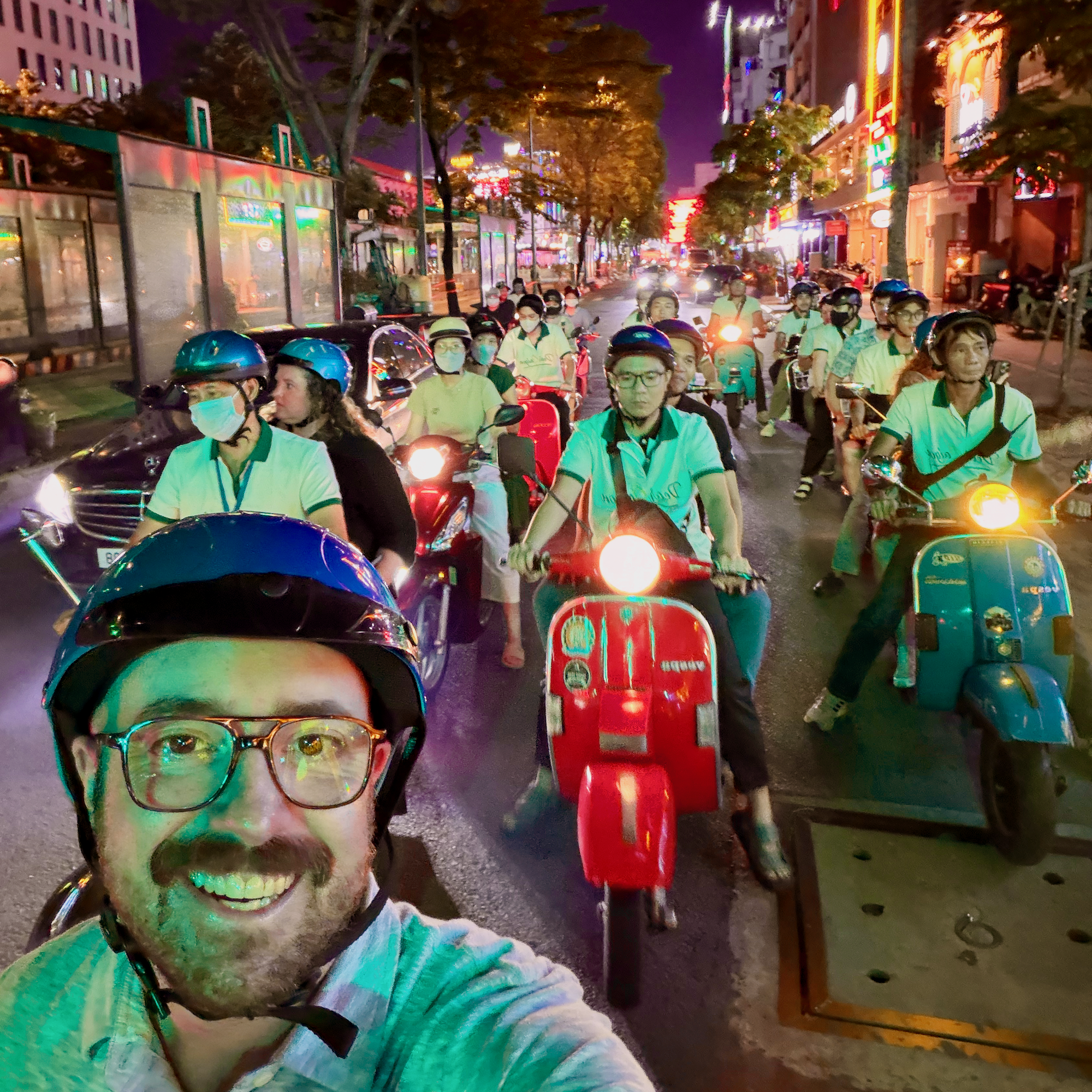
I’ve kept going — across more than 50 countries and almost every U.S. state — and there are still plenty more places I can’t wait to visit. But I don’t think passport stamps make someone a good advisor. They do give you a lot of practice being the traveler: arriving somewhere new, figuring out what matters, changing course when needed, and learning when the plan is useful and when the unexpected turn is better.
I came to travel advising with a different toolkit.
ANOTHER KIND OF MILEAGE
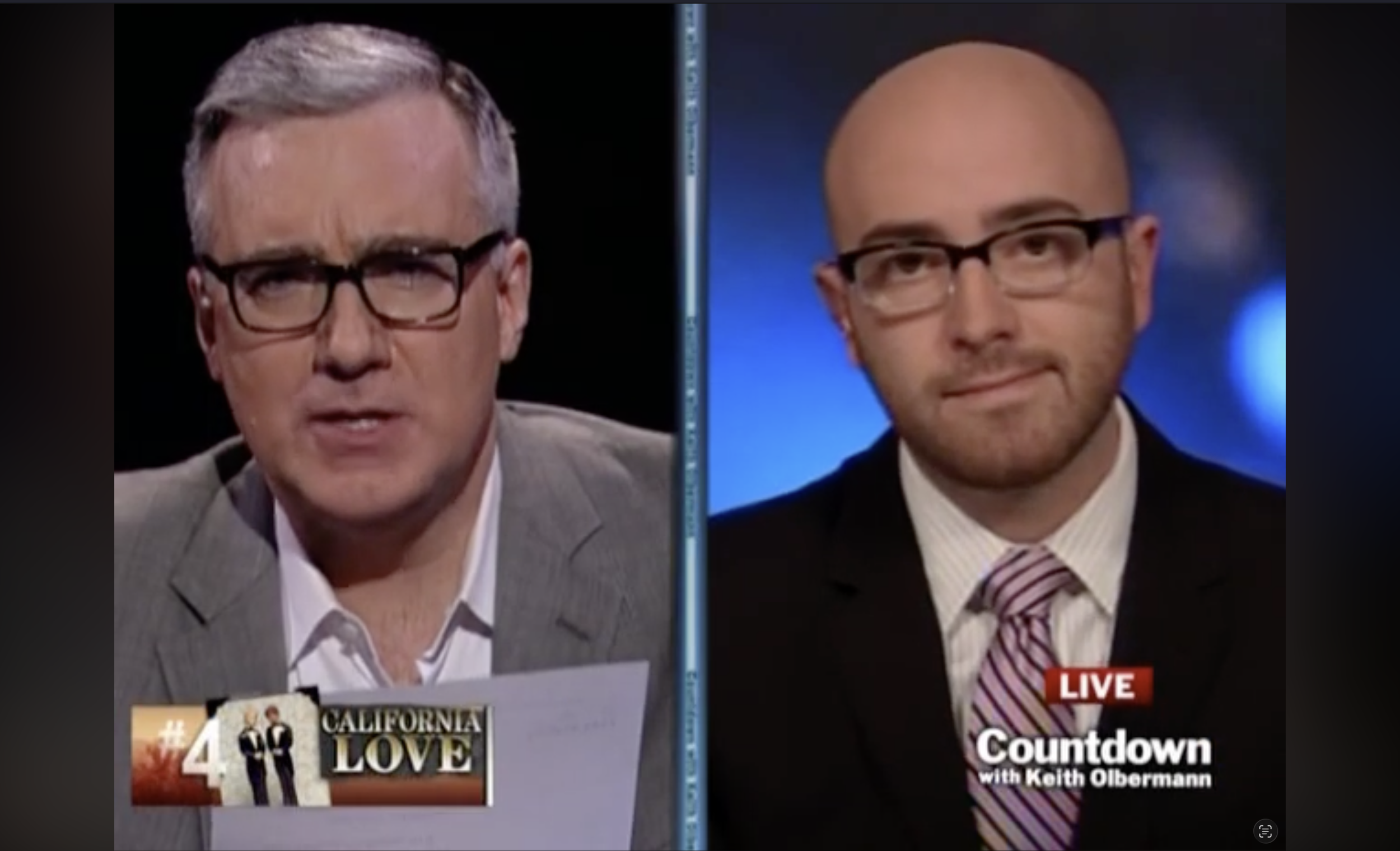
Before I planned trips professionally, I spent more than 20 years in nonprofit strategic communication. I was the Communications Director at the Human Rights Campaign and later a consultant working on issues ranging from clean water to children’s health care. That work trained me to listen closely, ask better questions, understand the real objective, make complicated information useful, and help people make decisions when there are a lot of competing considerations.
After more than two decades, I was ready to put those skills toward something new. Travel had long been where I put so much of my curiosity and energy, and advising turned out to use more of that old toolkit than I expected.
I didn’t leave that brain behind. It’s part of why I’m comfortable with a half-formed idea, why I care about the order in which decisions get made, and why I’d rather tell you what I actually think than hand you a giant list of options and call it advice.
A FEW THINGS THAT ARE TRUE ABOUT ME
Curious
I want to know what you mean when you say “nice hotel,” “relaxing,” or “we don’t want to feel like tourists.” The words are a start; what sits behind them usually changes the recommendation.
Fastidious
“Detail-oriented” undersells it. Names, timing, room configurations, cancellation terms, and the annoying little connective tissue: I notice it.
Relationship-minded
Clear communication, candor, follow-through, and trust matter to me. Good advising gets better when we know each other well enough to be candid about what works, what doesn’t, and what needs to change.
Balance-seeking
I’m always looking for the Goldilocks point: when to splurge and when to save, how much structure and spontaneity, how much sightseeing and breathing room.
EXPERIENCE COUNTS. SO DOES KNOWING WHAT I DON’T KNOW.
A well-stamped passport is useful.
A bigger field of vision is better.
I’ve traveled widely, but traveling to 50+ countries doesn’t make me an authority on every hotel, ship, neighborhood, safari camp, or rail line. Good advising means knowing where firsthand experience helps, where specialized training matters, and when to tap someone who knows more than I do.
I keep building that knowledge through my own travel, ship tours and site inspections, professional training, supplier relationships, and a broad network of fellow advisors. That gives me a much bigger field of vision than my own passport alone — and lets me be honest when the best answer comes from a specialist or a colleague with deeper experience in one particular place.


THE PERSON DOING THE PLANNING
I notice what gives a trip texture.
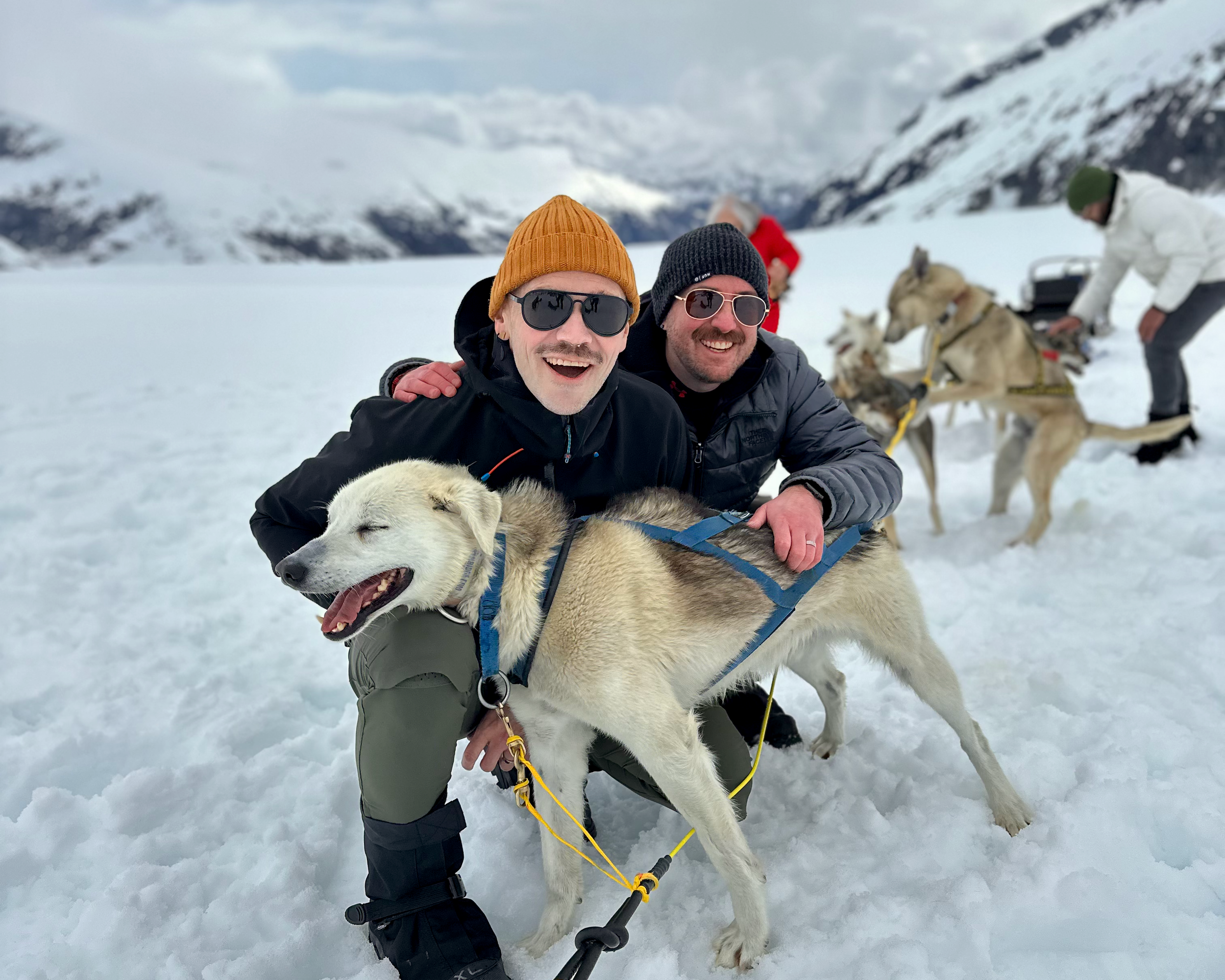
When my husband, Steven, and I travel, I’m usually paying attention to what the local queer community is like, whether there’s a good soccer match to see or something interesting onstage, how a neighborhood actually works, and whether I can get above it in a small plane or helicopter for a bird’s-eye view. I’m an amateur woodworker, an enthusiastic eater, and a sucker for experiences where I get to make or do something instead of only look at it.
I like beautiful hotels and low-key but excellent service. I also like markets, public transit, neighborhood restaurants, oddball museums, live performance, and leaving enough room for the thing nobody knew to put on the itinerary. Ask me about the 3 a.m. bio bay kayak tour Steven and I took on Vieques during a lunar eclipse after seeing it advertised on a spray-painted sign at the beach.
I’m also a person in recovery, so I’m happy to share sober-travel perspective when it’s useful. That doesn’t mean your trip needs to look like mine; if wine, distilleries, breweries, or bars are part of yours, I’ve got plenty of advice to share there too.
I don’t expect anyone to travel exactly the way I do. The useful part is that I pay attention to what gives a trip texture — and then listen for what gives yours texture.
WHAT’S WITH “ARGYLE?”
Fair question.
Argyle Strategies is the strategic communication business I started before Argyle Experiences, but the name itself is less corporate than that origin story makes it sound. I’ve always liked argyle as a pattern because it balances structure with play: geometric without being boring, classic without being stuffy, comfortable but still interesting. That’s a pretty good description of me — and of the way I like travel, too.
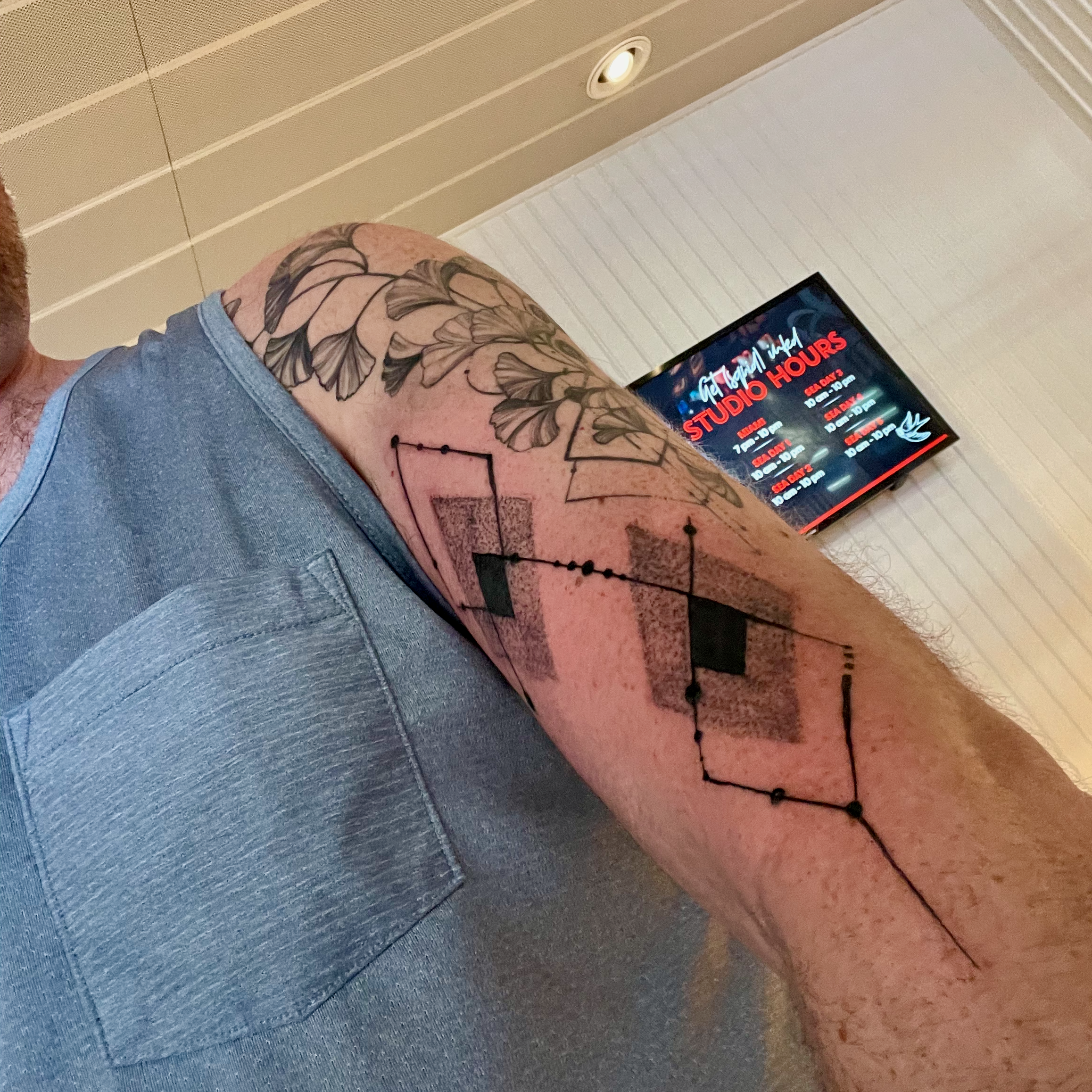
And yes, I have an argyle tattoo on my left arm. I got it on a cruise ship. So if anyone questions my commitment to the brand, I can literally roll up my sleeve.
The useful part is getting to know how you travel.
ENOUGH ABOUT ME
You don’t need an advisor who has personally taken your exact trip before. You need someone who can understand what matters to you, bring judgment where it helps, and care enough about the details to make the result feel like your trip — not mine.
If I sound like someone you’d enjoy having in your corner, tell me what you’re thinking about.
Want the practical version?