
Jacob’s Turkish delight
Jacob had two weeks in Türkiye, a sister in Istanbul, and more ideas than he knew what to do with. Instead of custom-building every day, we found the right structure for the complicated middle and left room around it for family time, independent exploring, and a road trip of his own.
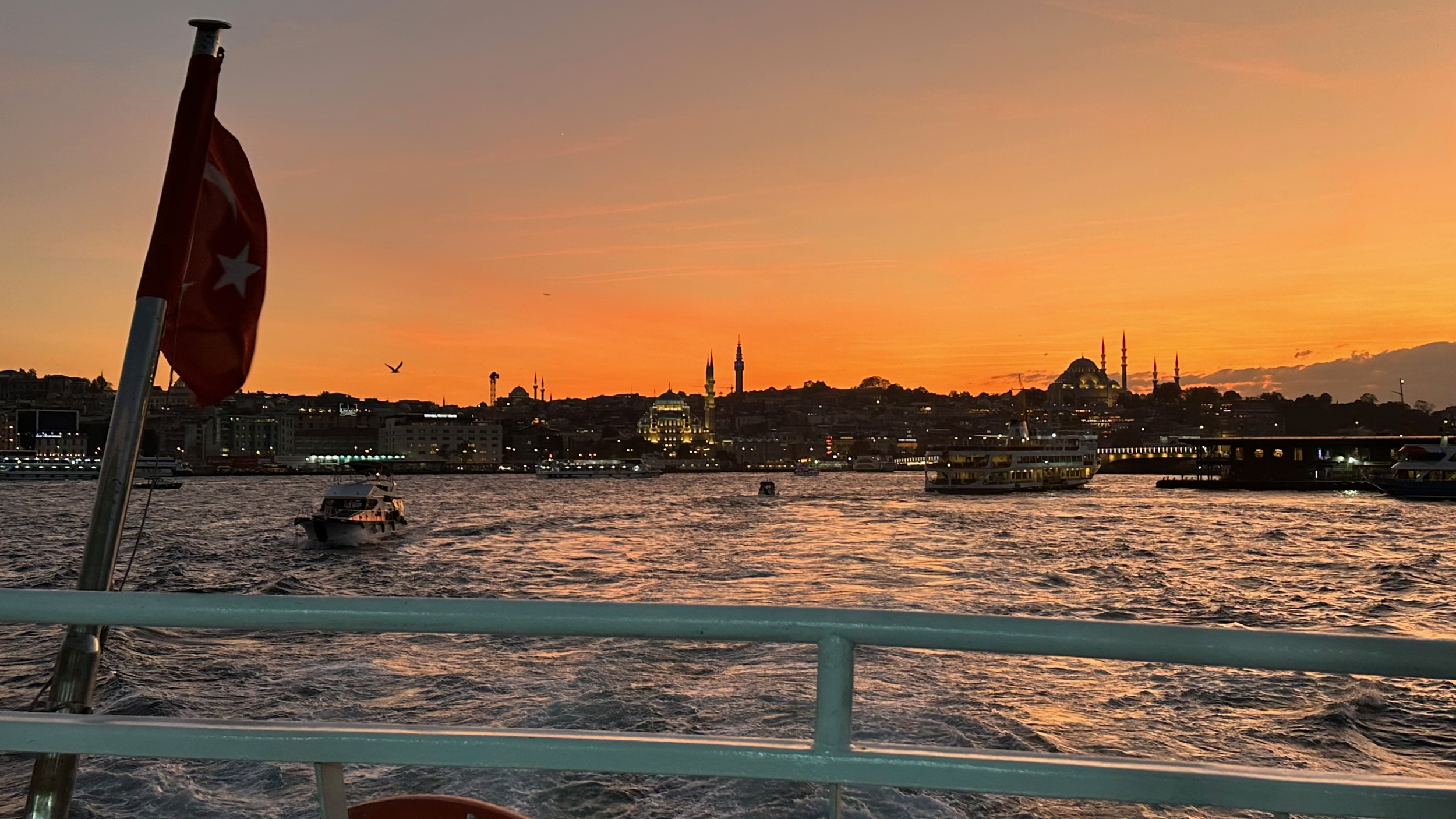
Jacob’s first email to me wasn’t short on ideas.
Quite the opposite.
He already had his flights to Istanbul. He planned to stay part of the time with his sister on the Asian side of the city. He knew the subjects that could keep him happily occupied for hours — archaeology, history, geology — and had started assembling possibilities: the Princes’ Islands, İznik, Edirne, Bulgaria, Ephesus, Pergamon, Troy, Istanbul’s museums.
The problem was turning all of that into a trip.
“I’ve kinda been paralyzed with decision making,” he wrote. Just as importantly, he added: “I’m also here for a vacation. I don’t know that I want to be on a schedule the entire time.”
That was the useful brief.
Start with the backbone
There’s a version of travel planning where every hotel, transfer, guide, and day gets built from scratch. Sometimes that’s exactly what a trip needs.
This one didn’t.
With Jacob departing in less than a month, building a custom route outside Istanbul for a solo traveler came with some obvious challenges: cost, complicated logistics, and a lot of solo time between one-night stops. I looked across several trusted small-group operators and compared how their routes, pace, group size, inclusions, and free time matched what Jacob had told me. We talked through the trade-offs: he’d give up some control over hotels and day-to-day timing, but gain a much easier way to cover a string of history-heavy stops without spending half the trip managing transportation. That balance made sense for him.
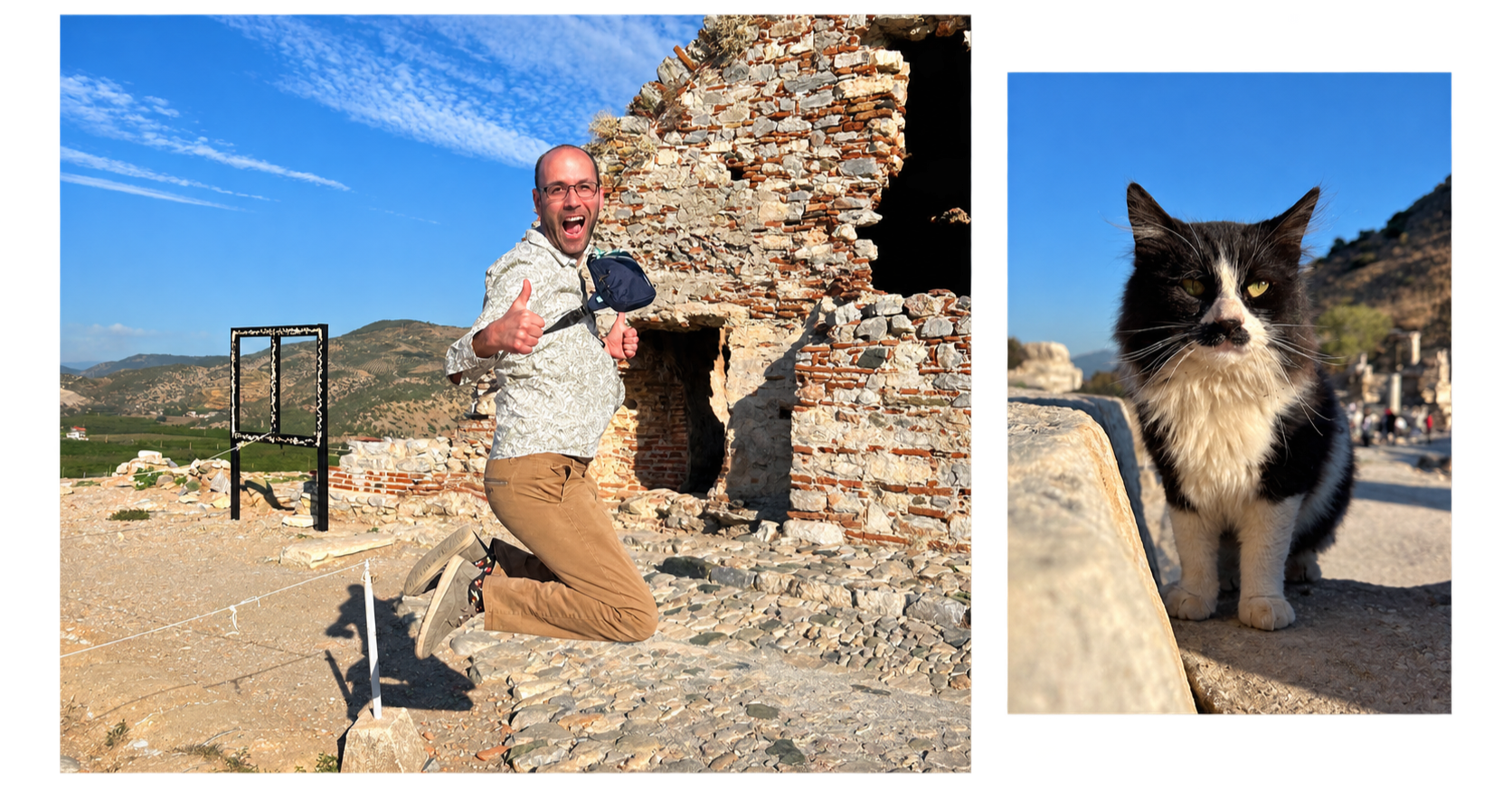
A G Adventures small-group itinerary through western Türkiye solved a surprisingly large part of the puzzle. In eight days, it connected Istanbul with Gallipoli, Troy, Ayvalık, Bergama, Ephesus, Selçuk, Pamukkale, and Hierapolis. Transportation, guides, lodging, and an internal flight were already bundled together. The group was capped at 15 travelers, with an average of 10, and there was enough optional activity and free time that the days didn’t feel entirely prescribed.
For Jacob, it covered many of the archaeology and history priorities that had been making the trip feel complicated. It also meant he didn’t have to solve a string of one-night stops and intercity transportation independently.
Most importantly, the group tour didn’t have to become the whole trip.
Build around what already works
The days on either side of the tour could be much more personal.
Jacob had time with his sister in Istanbul before the group started, including a first full day I arranged with a private guide through the city’s major landmarks. The next day shifted deliberately away from the obvious sights, with a G Adventures add-on through less-visited neighborhoods before he joined the group for the western Türkiye circuit.
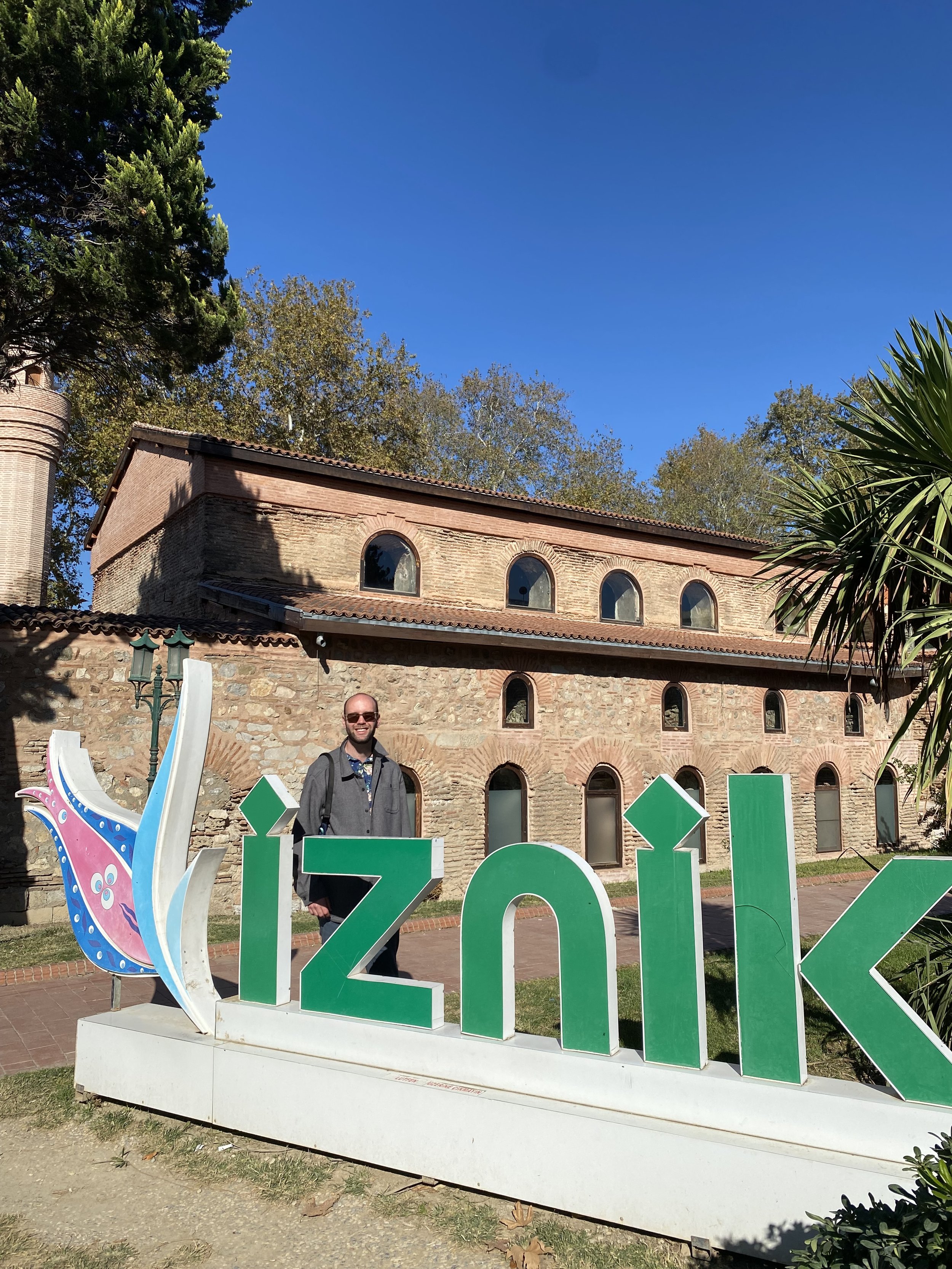
After the tour, the trip loosened up again. We kept options for independent exploring rather than filling every open day with another reservation. He rented a car for an overnight road trip to Bursa and İznik — places he wanted to visit but weren’t included in the group tour — which he later singled out as especially fun simply because he got to take his own road trip in a foreign country. His final full day became a hammam afternoon at Zeyrek Çinili Hamam, a choice he liked for its restoration story, design, and connection to Mimar Sinan.
That mix mattered. The trip could have structure without feeling scheduled from beginning to end.
Planning also means taking things out
Not every idea survived, which is part of the point.
We spent time investigating Edirne. A private day trip turned out to be expensive, and adding an overnight complicated the route enough that it stopped making sense, so Jacob decided to scrap it. We shifted the attention elsewhere instead of treating an idea we researched as something that necessarily had to be etched in stone.
The hammam moved, too, but for a more ordinary planning reason. When we got to the booking stage, I found Zeyrek Çinili Hamam was closed on the Monday we’d tentatively penciled in. Shifting it to Jacob’s final full day actually improved the rhythm of the trip. He called the change “perfectly poetic.”
None of those changes made the plan less complete. They made it fit better.
The result
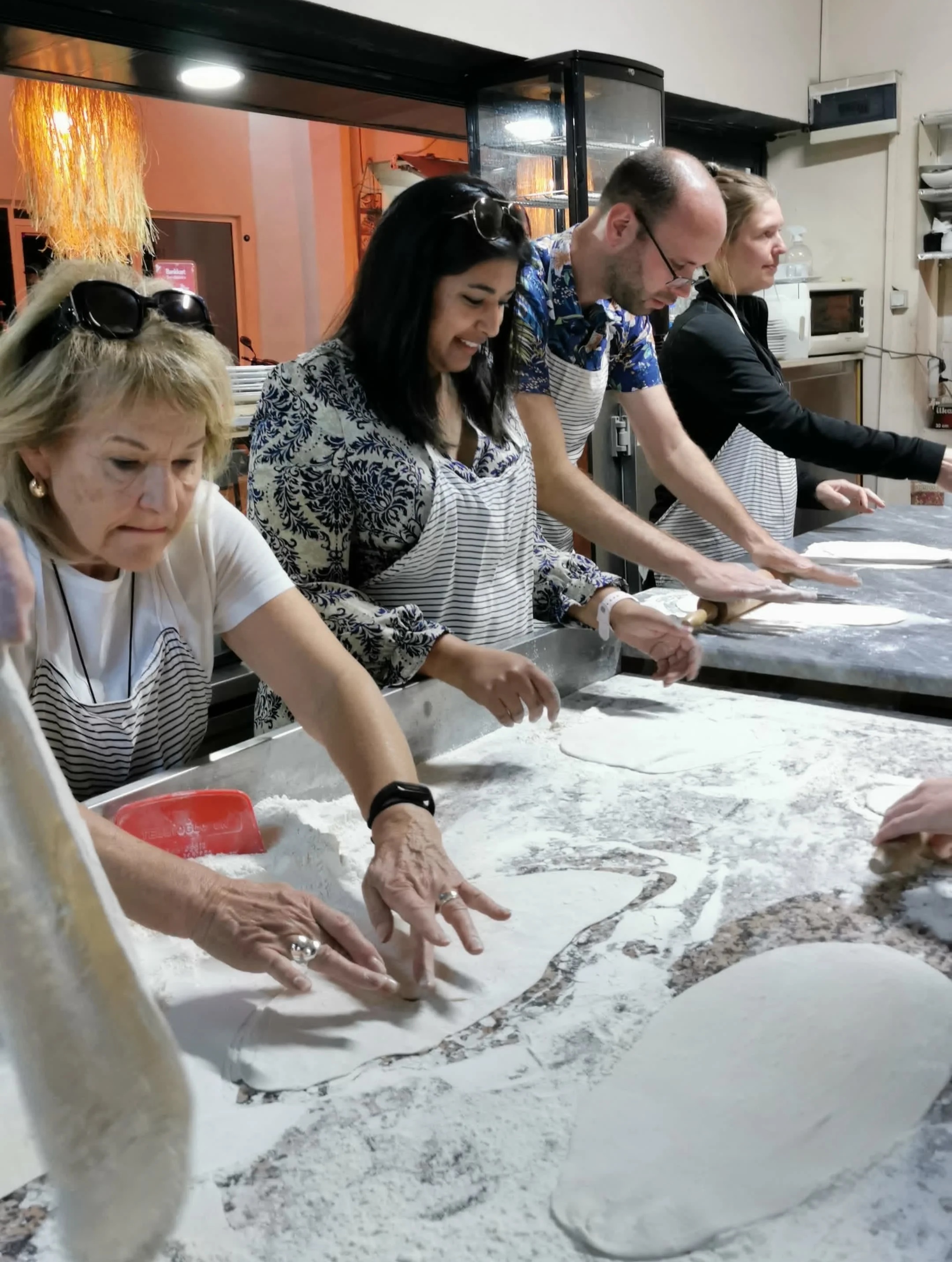
The G Adventures portion turned out better than either of us could have hoped. Jacob called it “a phenomenal success,” said the group clicked unusually well, and came home with new friends scattered across the globe.
Jacob’s own review after the trip put it better: “Between travel anxiety and choice overload, he was able to snap a dream vacation into place with the clock running down.” He summed up the result as “everything I wanted to do … along with everything I didn’t know I wanted to do.”
That’s why I don’t think “custom” is automatically a synonym for “better.”
Sometimes the smartest plan is to use an existing piece when it genuinely fits — then spend the custom work on the parts that need it. My job is to figure out which is which: what belongs around it, what can stay loose, and what’s better left out.
The result can still feel entirely like your trip.
HAVE YOUR OWN TÜRKIYE DREAMS?
Or maybe you have a long list and need to figure out how to make a trip out of it. Let’s talk about it.
